6 Tell-Tale Signs Your Backyard Pavers Need Deep Clean Services
Backyard pavers handle plenty of wear in Western Sydney, from summer dust and barbecue spills to damp conditions after heavy rain. Regular sweeping and occasional washing help, but they do not always remove embedded grime or slippery organic growth.
Knowing when to book professional paver cleaning can help protect your outdoor surfaces and make paths, patios and entertaining areas safer. Here are six signs your pavers need more than a quick rinse.
1. Your Pavers Feel Slippery When Wet
A slick surface is one of the clearest signs that your pavers need attention. Algae and other organic growth can develop in shaded, damp areas, particularly beside garden beds, under trees and around poorly drained sections.
Green patches are easy to spot, but a slippery film may be less obvious. If your pavers become unusually slippery after rain, limit access until the surface is assessed and cleaned. Cleaning helps remove the growth, while improving drainage or adjusting irrigation can reduce its return.

2. Dark Patches Remain After Ordinary Washing
Persistent black, brown or green discolouration can come from embedded dirt, organic growth, leaf tannins or other contaminants. These marks often resist a garden hose because the material sits within the surface texture or pores.
A professional should https://pressurecleaningwesternsydney.com.au/ identify the likely cause before choosing a treatment. Concrete, clay brick and natural stone do not all tolerate the same chemicals or pressure settings. More pressure is not automatically a better solution; excessive force can damage the surface and dislodge jointing sand.
3. Barbecue Grease and Oil Stains Keep Showing Through
Outdoor cooking areas commonly develop greasy patches that trap dirt and darken over time. Porous, unsealed pavers can absorb oil, making older stains harder to remove.
For a fresh spill, blot up excess liquid and use a suitable absorbent material rather than immediately hosing it across the patio. An established stain may need a paver-compatible degreaser or specialist treatment. Deep cleaning can improve its appearance, although complete removal is not always possible.
4. Moss and Weeds Are Taking Over the Joints
Moss and repeated weed growth between pavers suggest that moisture, dirt and organic debris are collecting in the joints. Sweeping removes loose material, but it may not clear established growth or accumulated sediment.
Professional cleaning can form part of the solution, but joint maintenance also matters. After cleaning, depleted joints may need replenishing with material suitable for the paving system. If pavers are loose, uneven or sinking, arrange repairs rather than treating cleaning as a structural fix.

5. The Surface Looks Dull Despite Regular Maintenance
Dust, tracked-in soil and fine debris can gradually mask the colour and texture of backyard paving. This is especially noticeable around busy entertaining areas and exposed yards across Western Sydney.
If sweeping and a gentle wash no longer improve the appearance, embedded grime may be responsible. However, fading, surface wear and deteriorating sealer can look similar. A small test clean helps establish whether deep cleaning will restore the appearance or whether another treatment is needed.
6. White, Chalky Deposits Keep Appearing
White powdery marks may be efflorescence, which occurs when moisture carries soluble salts to the surface and then evaporates. It can affect concrete and masonry pavers and is not simply ordinary dirt.
Repeated washing may not resolve the underlying moisture movement. Ask a professional to identify the deposit and recommend a compatible treatment. Avoid applying acid-based cleaners without checking suitability, particularly on acid-sensitive stone such as limestone or marble.
What to Check Before Booking Paver Deep Cleaning
Choose a local provider who assesses the paving material, existing sealer, joint condition and drainage before recommending a cleaning method. Ask these practical questions:
- Will you test the cleaning method on an inconspicuous area first?
- How will you protect nearby plants, painted surfaces and pool equipment?
- How will wastewater, sediment and cleaning chemicals be contained and kept out of stormwater drains?
- Does the quote include joint replenishment where needed?
- If sealing is recommended, why is it suitable for these pavers?
Check current Sydney Water restrictions before undertaking outdoor cleaning, as permitted water use can change. A cleaning provider should also account for any applicable local requirements for wastewater disposal.
Keep Your Western Sydney Pavers Cleaner for Longer
Sweep up leaves regularly, address spills promptly and avoid directing irrigation onto paved surfaces. Clear drainage points and investigate areas that remain damp long after surrounding paving dries.
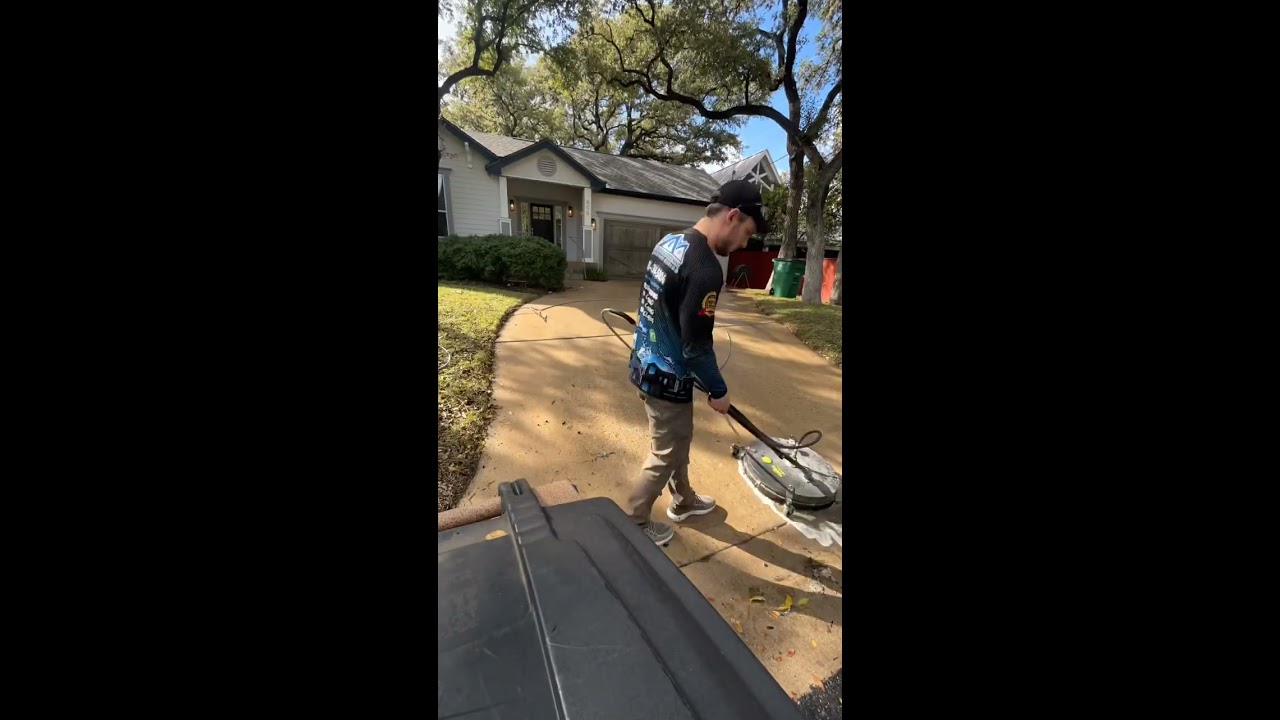
Book an assessment when stains persist, surfaces become slippery or routine cleaning stops working. The right deep-cleaning approach can improve your backyard’s appearance while helping you avoid damage from unsuitable chemicals or overly aggressive pressure washing.
Western Sydney Pressure Cleaning
Unit 2/1 Cowpasture Pl, Wetherill Park NSW 2164
(02) 9000 1596